


 By guest - August 04, 2026
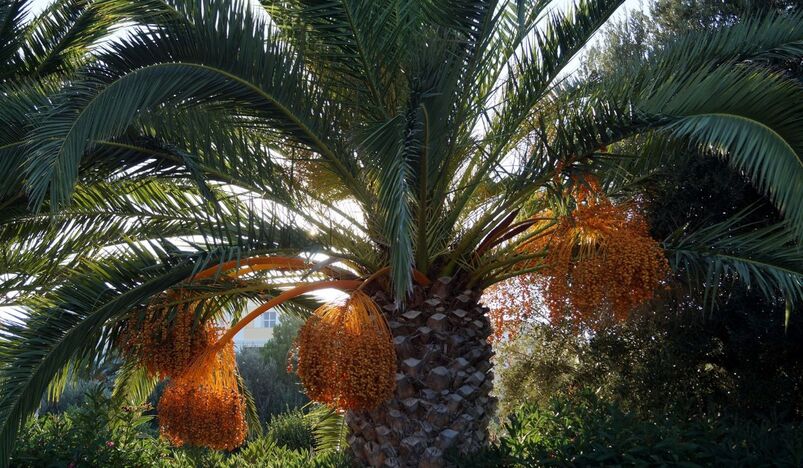
The UAE Council for Fatwa has issued a new nationwide ruling that standardises the zakat threshold (nisab) for dates at 541 kilograms after drying, providing clear guidance on when zakat becomes obligatory and how it should be calculated and paid. The ruling is contained in General Fatwa No. 11 of 2026 and is intended to unify practices across the country.
According to the fatwa, zakat becomes obligatory when the total dried date harvest owned by an individual reaches 541kg, regardless of whether the dates are intended for sale, storage, personal consumption, gifts or charity. The ruling also requires owners to combine the harvest from all date palms they own, whether located on farms, residential properties or other land.
The Council clarified that the zakat rate depends on the method of irrigation. Date palms watered naturally through rainfall or traditional aflaj irrigation systems without any financial cost are subject to a 10% zakat on the total harvest. Where irrigation relies on wells or other methods that incur expenses currently the most common practice in the UAE the applicable zakat rate is 5% of the harvest.
The fatwa also distinguishes between two categories of date businesses. Companies that own date farms or purchase date palms with fruit before it ripens must pay crop zakat based on the relevant irrigation rate. If the harvest is sold, the proceeds are added to the company's cash holdings and other trade assets for its annual zakat calculation.
By contrast, companies that purchase dates only after the fruit has ripened or after harvesting are not liable for crop zakat, as the obligation rests with the original owner. Instead, the purchased dates are treated as commercial inventory and become subject to the standard 2.5% zakat on trading assets, provided the required nisab is met and one lunar year has elapsed.
The Council said the 541kg benchmark was established following a field study conducted in cooperation with relevant authorities. Researchers examined the UAE's leading date varieties, measured them using a vessel equivalent to the Prophetic mudd, and verified the findings using calibrated weighing equipment approved by the Ministry of Industry and Advanced Technology.
Farm owners and those required to pay zakat have been urged to comply with the unified standard and make payments through the country's authorised official channels, including the General Authority of Islamic Affairs, Endowments and Zakat and its smart application. The Council said the new ruling aims to provide a consistent religious reference while ensuring zakat practices reflect both established Islamic jurisprudence and the realities of date cultivation in the UAE.
_18-36-2026_12-36.jpg)



_20-08-2026_05-08.jpg)
_27-51-2026_11-51.png)
_27-43-2026_12-43.png)



.jpg)
.jpg)




.jpg)


.jpg)
.png)
.jpg)













Leave a comment